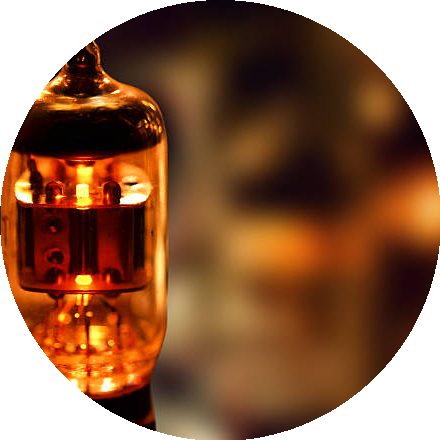

6N6P: The Hidden Gem of Soviet-Era Audio
Share
The 6N6P is a Russian double triode vacuum tube that was quite popular in Soviet-era audio equipment. It's known for its robust construction, low cost, and unique sonic characteristics, which some describe as warm and harmonically rich.
Here's a breakdown of its features and how it's used in radio amps:
Features:
- Double triode: Contains two triode sections in a single glass envelope, making it versatile for various circuit configurations.
- Low frequency power amplification: While it can be used in other applications, it was specifically designed for amplifying audio frequencies.
- High current handling: It can handle higher currents than similar tubes like the ECC99 or 12BH7, making it suitable for driving power tubes.
- Indirect heating: The cathode is heated by a separate filament, which reduces hum and noise.
- Ruggedness: Built to withstand the rigors of military and industrial use, it's known for its reliability and long lifespan.
Usage in Radio Amps:
The 6N6P can be used in various stages of a radio amp, including:
- Voltage amplifier: Amplifies the small signal from the radio tuner or other source.
- Driver stage: Provides the necessary voltage and current to drive the power tubes.
- Phase splitter: Splits the audio signal into two out-of-phase signals to drive push-pull output stages.
Advantages of using 6N6P in radio amps:
- Availability and affordability: These tubes are readily available and relatively inexpensive, making them a good choice for budget-conscious audiophiles.
- Unique sonic characteristics: Many find the 6N6P to have a pleasing sound that's different from common Western tubes.
- Durability: Their rugged construction makes them well-suited for high-vibration environments or applications where reliability is paramount.
Things to consider:
- Heater voltage: The 6N6P requires a 6.3V heater supply, which is standard for many tubes but may require adjustments in some circuits.
- Pinout: The pinout is different from similar Western tubes, so you'll need to consult the datasheet when designing or modifying a circuit.
- Microphonics: Some users report that the 6N6P can be microphonic, meaning it picks up vibrations and converts them into electrical noise. This can be mitigated with careful tube selection and proper mounting techniques.
Examples of amps using 6N6P:
While not as widely used as some other tubes, the 6N6P has found a niche following among DIY audio enthusiasts and boutique amp manufacturers. You can find schematics and discussions about 6N6P amps on forums like diyAudio.com.
If you're looking for a unique and affordable tube to experiment with in your radio amp projects, the 6N6P is definitely worth considering.