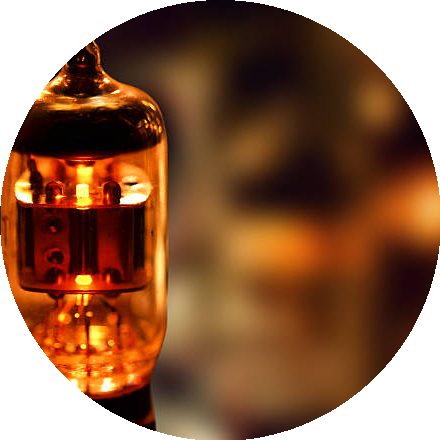

Warmth and Detail: Why the 6N1P is a Radio Amp's Secret Weapon
Share
The 6N1P is a Russian-made dual triode vacuum tube that's become quite popular in the world of hi-fi audio. Here's a breakdown of its characteristics and why it's sought after for radio amp applications:
Technical features:
- Heater Voltage: 6.3V
- Heater Current: 600mA (This is higher than similar tubes, so be mindful of your amp's power supply)
- Gain: Medium (around 35)
- Transconductance: 4.35 mA/V (Indicates its ability to control current flow)
- Linearity: Known for good linearity, which leads to lower distortion, especially in the lower frequencies.
Why it's used in radio amps:
- Low noise: The 6N1P is prized for its low noise performance, making it suitable for the sensitive preamp stages of radio amps where noise can be amplified.
- Microphonics: Generally exhibits low microphonics (sensitivity to vibrations), which is important for reducing unwanted noise in audio applications.
- Sound quality: Audiophiles often describe its sound as warm, detailed, and with a "tubey" character.
Comparison to similar tubes:
- 6DJ8/ECC88: The 6N1P is often compared to the 6DJ8/ECC88. While they share some similarities, they are not direct replacements due to differences in heater current and transconductance.
- 6BQ7A: This is considered the closest Western equivalent to the 6N1P.
Availability:
- You can find 6N1P tubes from various online retailers specializing in vacuum tubes. Look for reputable sellers offering tubes from well-known brands like Sovtek or Svetlana.
Important notes:
- Ruggedized version: The 6N1P-EV is a more rugged version designed for extended life and reliability.
- NOS vs. Current Production: "NOS" (New Old Stock) tubes are older tubes that were never used. Some audiophiles believe they sound better, but they can be more expensive and harder to find. Current production tubes are readily available and often more affordable.
If you're considering using 6N1P tubes in a radio amp project, make sure the circuit is designed to handle its higher heater current requirement. It's also a good idea to check for any specific recommendations from the amp's designer or in online forums related to your amp model.
Do you have a particular radio amp project in mind? Knowing more about your project could help me give you more specific advice.