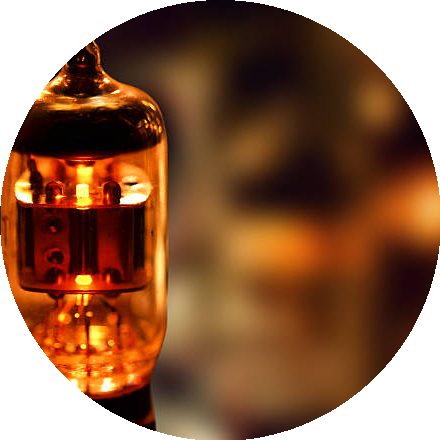

Breathing New Life into the Soviet 6N2P Tube: A DIY Conversion Guide to 12AX7 Compatibility
Breathing New Life into the Soviet 6N2P Tube: A DIY Conversion Guide to 12AX7 Compatibility
In the world of audio enthusiasts and DIY electronics, vacuum tubes hold a special allure. The warmth, richness, and character they impart to audio signals are often unmatched by modern solid-state components. Among the many vintage tubes that continue to fascinate hobbyists, the Soviet-era 6N2P stands out as a curious and versatile gem. In this blog post, we'll delve into the origins and characteristics of the 6N2P, and provide a step-by-step guide on how to convert it to fit the ubiquitous 12AX7 pinout, opening up a world of possibilities for experimentation and sonic exploration.
The 6N2P: A Cold War Relic with Hidden Potential
The 6N2P, a double triode tube, was widely produced in the Soviet Union during the Cold War era. It was primarily designed for use in military and industrial equipment, known for its ruggedness and reliability. However, its sonic qualities have captured the attention of audiophiles and DIY enthusiasts in recent years. While not as widely recognized as its Western counterparts like the 12AX7, the 6N2P boasts a unique sonic signature, characterized by a smooth, balanced tone with a touch of warmth and detail.
Why Convert to 12AX7?
The 12AX7 is arguably the most common and versatile preamp tube in existence. Countless amplifiers, preamps, and effects pedals have been designed around this tube, making it a staple for audio enthusiasts. By converting the 6N2P to fit the 12AX7 pinout, you gain access to this vast ecosystem of audio gear. You can experiment with different amplifier circuits, swap tubes in your favorite pedals, and explore the sonic possibilities of this unique Soviet tube.
Conversion Guide: From 6N2P to 12AX7
Before we dive into the conversion process, it's crucial to emphasize safety. Working with high voltages and delicate components requires caution and attention to detail. If you're not comfortable with electronics or soldering, consider seeking assistance from someone with experience.
Materials:
- 6N2P tube
- 12AX7 tube socket
- Wire cutters
- Soldering iron and solder
- Heat shrink tubing
- Multimeter

Steps:
- Identify the Pins: Carefully examine the 6N2P and 12AX7 tubes, noting the pinout diagrams for each. You'll need to identify the corresponding pins on both tubes to ensure correct wiring.
- Prepare the 6N2P: Gently remove the 6N2P from its original socket, if applicable. Inspect the pins for any damage or corrosion. Clean the pins if necessary.
- Wire the Socket: Solder wires to the pins of the 12AX7 socket, following the 12AX7 pinout diagram. Use heat shrink tubing to insulate the connections and prevent shorts.
- Connect the 6N2P: Carefully solder the wires from the 12AX7 socket to the corresponding pins on the 6N2P. Double-check your connections using the pinout diagrams.
- Test and Enjoy: Once the wiring is complete, carefully insert the converted 6N2P into a 12AX7 socket in your amplifier or pedal. Power on the device and listen for any issues. If everything sounds good, you're ready to explore the unique sonic character of your converted 6N2P!
Conclusion
The Soviet-era 6N2P tube, once relegated to the annals of Cold War technology, has found a new lease on life in the hands of audio enthusiasts and DIY electronics hobbyists. By converting this unique tube to fit the 12AX7 pinout, you open up a world of sonic possibilities, breathing new life into vintage gear and exploring uncharted tonal territories. Remember to prioritize safety and precision during the conversion process, and most importantly, have fun experimenting with the rich and rewarding world of vacuum tube audio. Happy listening!
Key points to remember:
- Heater Wiring: The 6N2P has a 6.3V heater, while the 12AX7 uses a 12.6V heater. You'll need to rewire the heater pins (4 and 5) on the 6N2P to connect them in parallel, effectively halving the voltage across each heater element.
- Pin 9: Pin 9 on the 12AX7 is often connected to the chassis ground. On the 6N2P, pin 9 is not connected. You may need to leave this pin unconnected or connect it to ground, depending on the circuit you're using the tube in.
- Other Pins: The remaining pins (1, 2, 3, 6, 7, and 8) correspond directly between the two tubes and can be connected as is.
Important: Always double-check your connections before applying power to the circuit. Incorrect wiring can damage the tube or the equipment it's connected to.
Additional Notes:
- It's often easier and safer to use a socket adapter rather than directly soldering wires to the 6N2P tube. This allows you to easily swap tubes without having to desolder and resolder connections.
- Some circuits may require additional modifications to accommodate the different operating characteristics of the 6N2P compared to the 12AX7. Consult the circuit diagram or an experienced technician if you're unsure.